
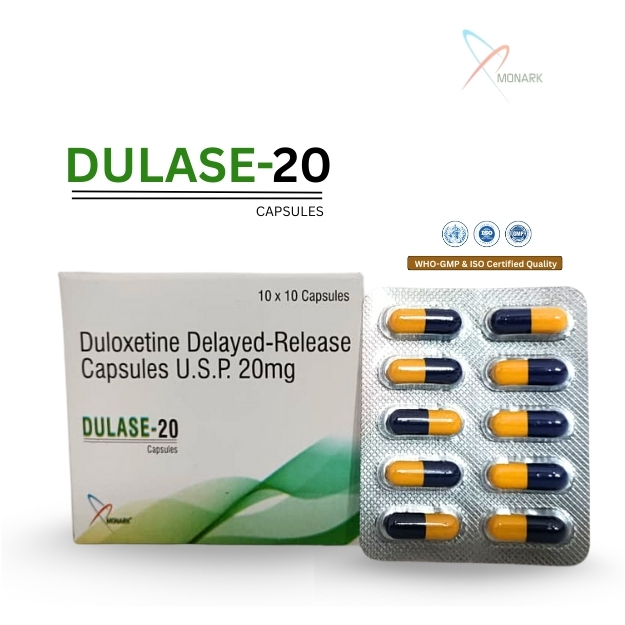
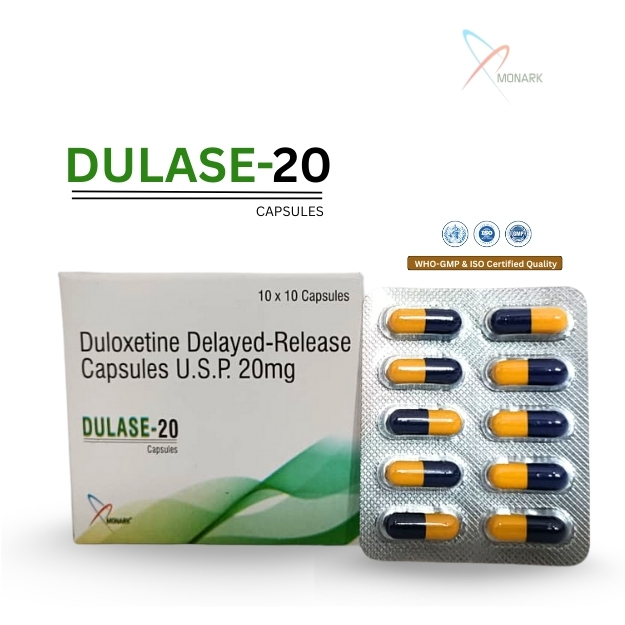
Duloxetine Delayed-Release Capsules, USP: A Comprehensive Overview
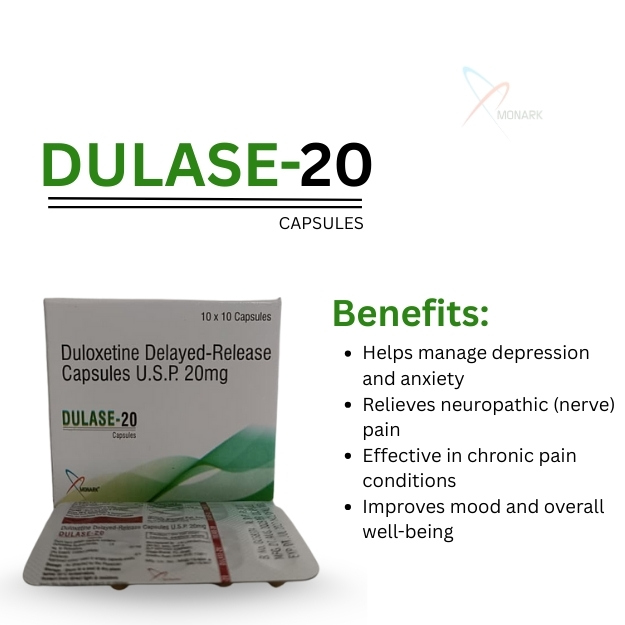
Duloxetine Delayed-Release Capsules, USP, are a formulation of duloxetine, a selective serotonin and norepinephrine reuptake inhibitor (SSNRI) antidepressant. These capsules are designed to release the active ingredient gradually, providing therapeutic effects while minimizing side effects. Duloxetine is commonly prescribed for various conditions, including major depressive disorder (MDD), generalized anxiety disorder (GAD), diabetic peripheral neuropathic pain (DPNP), and chronic musculoskeletal pain.
Pharmacology
Duloxetine functions by inhibiting the reuptake of serotonin and norepinephrine in the central nervous system. This action increases the levels of these neurotransmitters in the synaptic cleft, which is believed to contribute to its antidepressant and analgesic effects. Duloxetine has minimal affinity for dopaminergic, cholinergic, histaminergic, opioid, glutamate, and GABA reuptake transporters, distinguishing it from other SNRIs.
Indications and Usage
Duloxetine Delayed-Release Capsules are indicated for:
- Major Depressive Disorder (MDD): The recommended starting dose is 40 mg/day, which may be increased to 60 mg/day after one week. The maximum recommended dose is 120 mg/day.
- Generalized Anxiety Disorder (GAD): The recommended dose is 60 mg/day.
- Diabetic Peripheral Neuropathic Pain (DPNP): The recommended dose is 60 mg/day.
- Chronic Musculoskeletal Pain: The recommended starting dose is 30 mg/day, which may be increased to 60 mg/day after one week.
Dosage and Administration
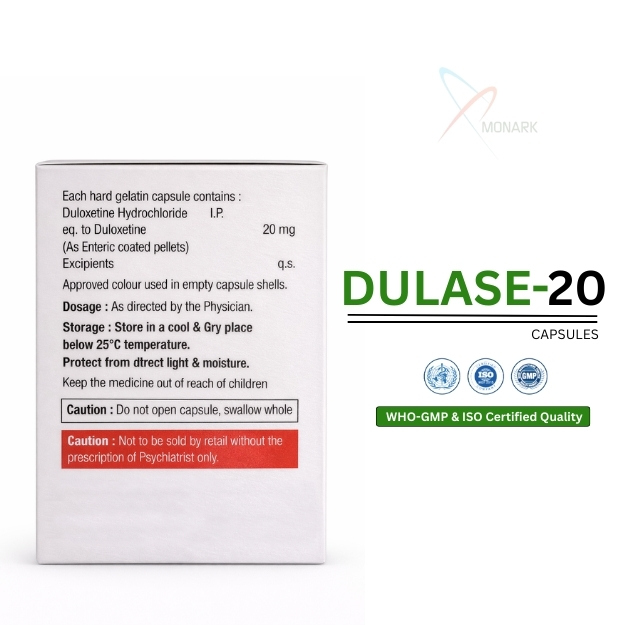
Duloxetine Delayed-Release Capsules should be swallowed whole and not crushed or chewed, as this may affect the enteric coating and release mechanism. The capsules can be taken with or without food. If a dose is missed, it should be taken as soon as remembered, unless it is almost time for the next dose; in that case, the missed dose should be skipped.
Contraindications
Duloxetine is contraindicated in:
- Patients with a known hypersensitivity to duloxetine or any component of the formulation.
- Patients with uncontrolled narrow-angle glaucoma.
- Patients with substantial alcohol use or chronic liver disease.
- Patients with severe renal impairment (glomerular filtration rate <30 mL/min)
Warnings and Precautions
- Suicidal Thoughts and Behaviors: Antidepressants, including duloxetine, may increase the risk of suicidal thoughts and behaviors in children, adolescents, and young adults in short-term studies.
- Serotonin Syndrome: The use of duloxetine with other serotonergic drugs (e.g., triptans, tricyclic antidepressants, fentanyl, lithium, tramadol, tryptophan, buspirone, and St. John's Wort) may increase the risk of serotonin syndrome, a potentially life-threatening condition.
- Hypertension: Duloxetine may increase blood pressure. Blood pressure should be monitored regularly during treatment.
- Liver Injury: Duloxetine should be used with caution in patients with liver impairment, and its use is contraindicated in patients with chronic liver disease or cirrhosis.
- Urinary Hesitation and Retention: Cases of urinary retention have been reported. If symptoms develop, consideration should be given to the possibility that they might be drug-related.
Adverse Reactions
Common adverse reactions associated with duloxetine include:
- Nausea
- Dry mouth
- Somnolence
- Constipation
- Decreased appetite
- Hyperhidrosis
Less common but serious adverse reactions include:
- Serotonin syndrome
- Severe allergic reactions
- Liver injury
- Hyponatremia
- Angle-closure glaucoma
- Activation of mania or hypomania
Drug Interactions
Duloxetine may interact with several drugs, including:
-
Monoamine Oxidase Inhibitors (MAOIs): Concomitant use is contraindicated due to the risk of serotonin syndrome.
-
Anticoagulants and Antiplatelet Drugs: Increased risk of bleeding.
-
Alcohol: Concurrent use may increase the risk of liver injury.
-
CYP1A2 and CYP2D6 Inhibitors: May increase duloxetine plasma concentrations.
Use in Specific Populations
-
Pregnancy: Duloxetine should be used during pregnancy only if the potential benefit justifies the potential risk to the fetus.
-
Lactation: Duloxetine is excreted in human milk. A decision should be made to discontinue nursing or discontinue the drug.
-
Pediatric Use: Safety and efficacy in pediatric patients have not been established.