14th April 2026 | By Admin
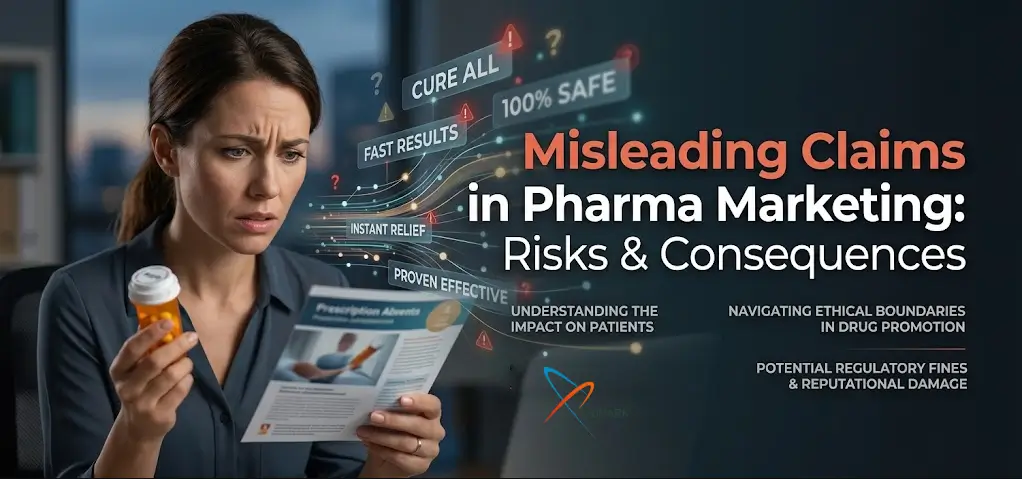
Pharma Marketing Gone Wrong: Risks of Misleading Claims Explained
The Hidden Truth Behind Pharma Marketing
Quick relief, bold promises, but at what cost? When pharmaceutical claims are exaggerated or incomplete, it’s not just misleading; it can directly impact human lives. Patients deserve facts, not marketing spin. Healthcare trust begins with honesty and responsible communication.
As the industry evolves, companies strive to stand out not only through innovation but also through branding and promotion. However, when marketing becomes misleading, it raises ethical concerns. This is why understanding ethical frameworks, such as those discussed in Ethical Promotion Practices at Monark Biocare, is becoming increasingly important for building transparency and trust.
In an industry built on trust, pharmaceutical companies must look beyond profits and focus on what truly matters: patient health and well-being.
What Are Misleading Claims in Pharma Marketing?
Misleading claims in pharma marketing refer to any promotional content that presents incomplete, exaggerated, or scientifically unsupported information about a drug or treatment.
These claims may appear subtle, but they can significantly influence healthcare decisions.
Common Examples:
-
Overstating the effectiveness of a drug
-
Minimizing or hiding side effects
-
Using selective clinical data
-
Promoting off-label uses without approval
-
Misleading visuals or patient testimonials
Misleading claims in pharma marketing are promotional statements that exaggerate benefits, hide risks, or present incomplete information about a drug, potentially misleading healthcare professionals and patients.
Such practices often blur the line between marketing and misinformation, making it critical for companies involved in Pharmaceutical Manufacturing in Global Healthcare to maintain accuracy and integrity in every communication.
Why Do Pharma Companies Make Misleading Claims?
The pharmaceutical industry operates in a high-stakes environment where innovation, competition, and profitability intersect. This creates pressure that can sometimes lead to aggressive marketing strategies.
Key Reasons:
1. Market Competition
Pharma companies compete to position their products as superior, especially in saturated markets.
2. Revenue Pressure
Blockbuster drugs generate significant profits, making marketing a key driver of financial success.
3. Expansion Goals
Companies aiming to scale, such as those seeking recognition as among the Top Qualities PCD Pharma Companies in India, may feel pressure to accelerate growth through persuasive messaging.
4. Off-Label Promotion
Promoting unapproved uses can open new markets but carries substantial regulatory risks.
While these motivations are understandable, they do not justify compromising ethical standards.
Major Risks of Misleading Pharma Marketing
Misleading claims can set off a chain reaction that impacts everyone involved, from patients to healthcare providers and regulators. Inaccurate information can lead to poor treatment decisions, safety risks, and loss of trust. Ultimately, it can damage both public health outcomes and the credibility of the pharmaceutical industry.
1. Patient Safety Risks
When patients rely on inaccurate information, they may:
-
Choose ineffective treatments
-
Experience harmful side effects
-
Delay proper medical care
2. Loss of Trust
Trust is the foundation of healthcare relationships between patients, providers, and brands. Once it is broken, rebuilding it becomes extremely difficult and time-consuming. A single misleading claim can create long-term skepticism. This loss of confidence often extends beyond one brand to the entire healthcare system.
3. Brand Reputation Damage
In today’s digital era, negative news spreads quickly across social media and online platforms. Even a small mistake can turn into a major public relations issue. Patients and professionals may lose confidence in the brand. This can lead to reduced credibility and long-term business impact.
4. Regulatory Scrutiny
Pharmaceutical marketing is closely monitored by regulatory authorities to ensure ethical practices. Any violation can trigger investigations, warnings, or penalties. Increased scrutiny can slow down business operations and approvals. In severe cases, it may also result in legal consequences and financial losses.
Risk Impact
|
Risk Type |
Impact Level |
Example Outcome |
|
Patient Safety |
High |
Adverse drug reactions |
|
Legal Risk |
High |
Lawsuits, penalties |
|
Financial Loss |
Medium-High |
Fines, stock decline |
|
Brand Damage |
High |
Loss of credibility |
Legal & Financial Consequences
Pharmaceutical companies operate under strict regulatory frameworks designed to protect public health.
Failure to comply with these regulations can result in serious consequences.
Key Consequences:
-
Heavy Financial Penalties: Companies may face massive fines that impact profitability.
-
Product Recalls: Misleading claims can force companies to withdraw products from the market, even those listed on platforms.
-
Legal Action: Patients, healthcare providers, and regulators may initiate lawsuits.
-
Operational Disruption: Compliance failures can affect multiple business segments, including those highlighted in Meet Our Divisions, disrupting overall growth.
The consequences of misleading pharma marketing include regulatory fines, lawsuits, product recalls, and long-term reputational damage.
How Ethical Marketing Builds Long-Term Trust
Ethical marketing is no longer optional; it is a strategic necessity in modern healthcare.
Companies that prioritize transparency and honesty stand out in a crowded market.
Benefits of Ethical Pharma Marketing:
-
Builds lasting patient trust
-
Enhances brand credibility
-
Reduces legal and compliance risks
-
Supports sustainable growth
Best Practices:
-
Use evidence-based claims
-
Clearly disclose risks and limitations
-
Follow regulatory guidelines strictly
-
Avoid exaggerated or emotional manipulation
Organizations that align with ethical standards not only comply with regulations but also create a strong foundation for long-term success. If you’d like to explore this topic in more detail, click here to read more.
Conclusion
Misleading claims in pharma marketing are more than just compliance issues; they represent a deeper challenge of balancing business growth with ethical responsibility.
In an industry where decisions directly affect human lives, transparency must be the foundation of every marketing strategy.
Companies that embrace ethical practices not only avoid risks but also build meaningful, long-term relationships with patients and healthcare professionals.
Because in healthcare, trust isn’t just earned, it’s protected through every word, every claim, and every promise.
FAQs
1. What are misleading claims in pharma marketing?
They are exaggerated or incomplete statements about a drug that can mislead healthcare professionals or patients.
2. Why are misleading claims dangerous?
They can lead to incorrect treatment decisions, patient harm, and loss of trust.
3. What are the legal consequences?
Penalties include fines, lawsuits, product recalls, and regulatory action.
4. How can pharma companies avoid misleading claims?
By following compliance guidelines, using scientific evidence, and ensuring transparent communication.
5. Why is ethical marketing important in pharma?
It builds trust, ensures compliance, and supports long-term business sustainability.