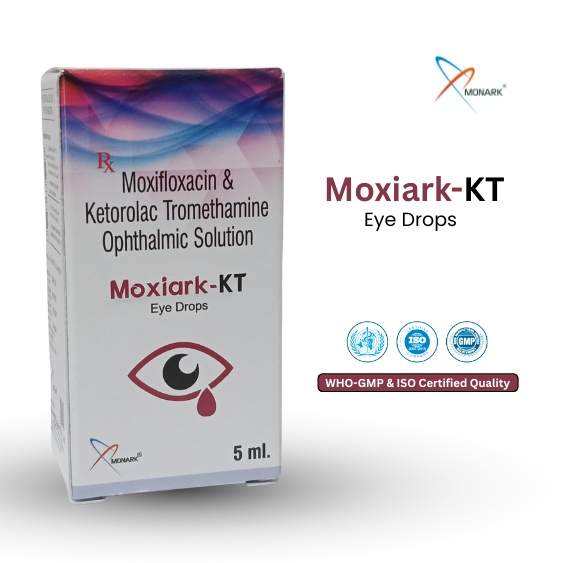
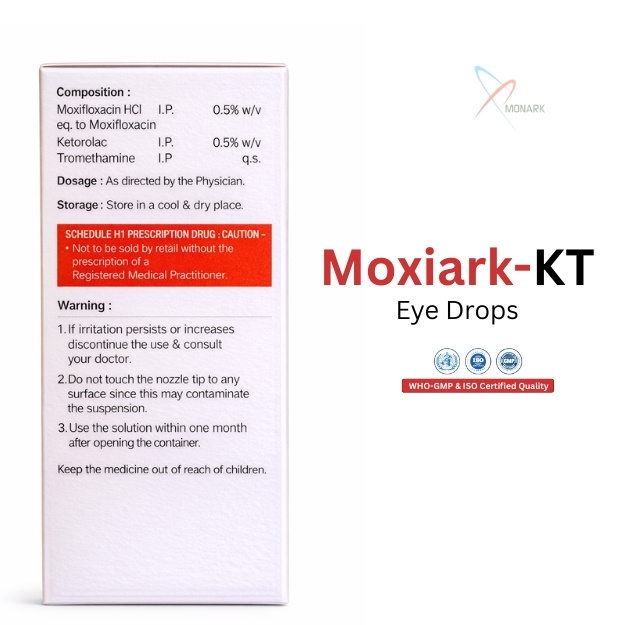
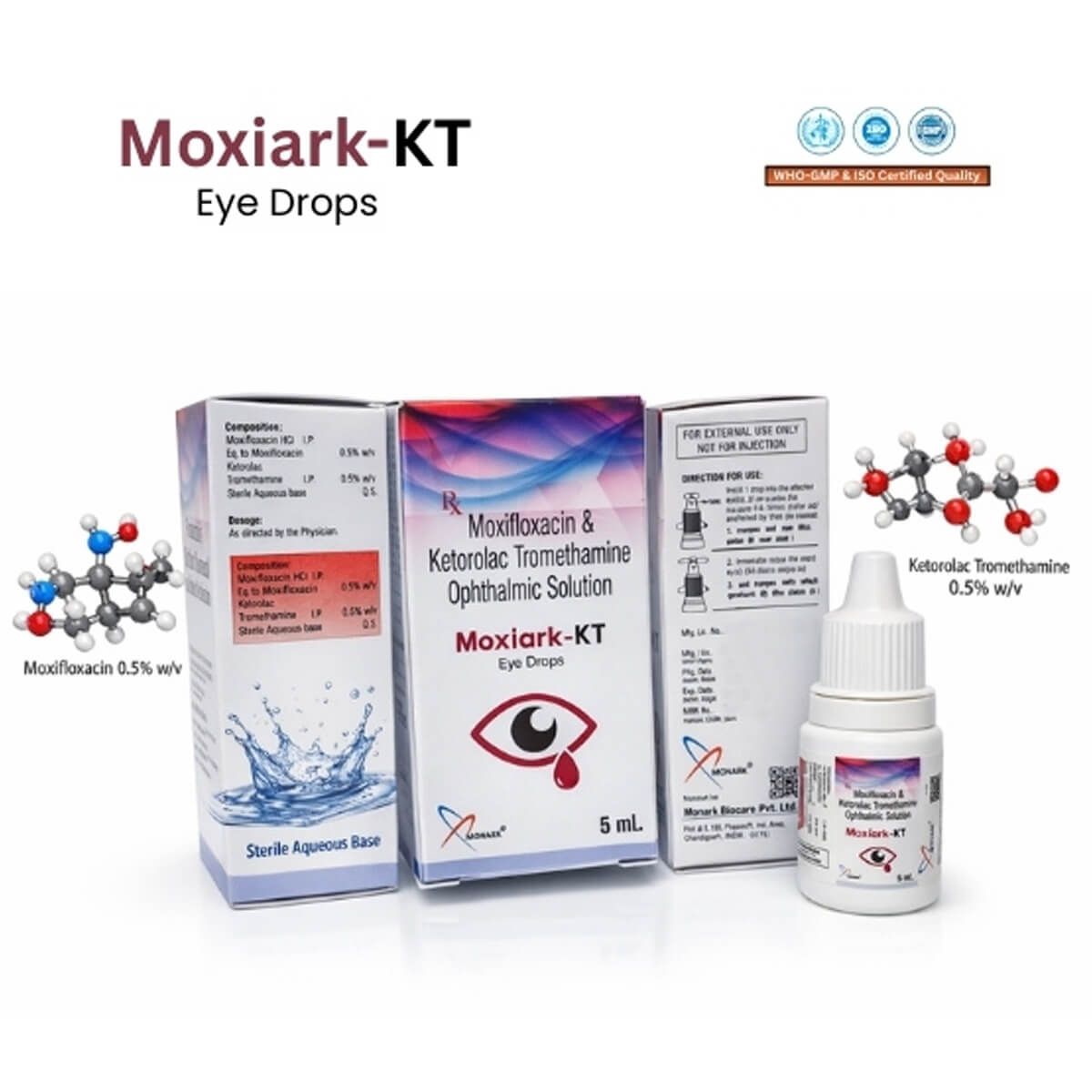
Moxifloxacin 0.5% + Ketorolac 0.5% Eye Drops
Eye health often takes a backseat until something feels wrong—an itch that won’t quit, redness that won’t fade, or pain after a procedure. When inflammation and infection risks strike simultaneously, standard eye drops might not cut it. That is where combination therapies step in. Specifically, the combination of Moxifloxacin and Ketorolac Tromethamine is becoming a go-to solution for comprehensive post-operative eye care. This formulation is also gaining popularity among companies offering pcd pharma franchise and third party manufacturing
This powerful duo handles two critical jobs at once: fighting bacteria and crushing inflammation. In this guide, we will break down exactly what this medication is, how it works, and why it is frequently prescribed for patients recovering from eye surgeries like cataract removal.
Understanding the Dual-Action Formula
To understand why this specific eye drop is effective, you have to look at its ingredients. It isn't just one medication; it is a strategic partnership between an antibiotic and an anti-inflammatory agent, making it an ideal product for anyone seeking the best eye drops through trusted pharmaceutical channels.
The Antibiotic: Moxifloxacin (0.5%)
Moxifloxacin belongs to a class of antibiotics known as fluoroquinolones. It is a fourth-generation antibiotic, which means it is highly advanced and effective against a broad spectrum of bacteria. Unlike older antibiotics that bacteria have learned to resist, Moxifloxacin remains potent. It works by inhibiting enzymes (DNA gyrase and topoisomerase IV) that bacteria need to replicate and repair their DNA. Without these enzymes, the bacteria cannot survive or multiply.
The Anti-Inflammatory: Ketorolac Tromethamine (0.5%)
Ketorolac is a non-steroidal anti-inflammatory drug (NSAID). If you have ever taken ibuprofen for a headache, you are familiar with how NSAIDs work—they stop the body from producing substances that cause pain and swelling. In the eye, Ketorolac blocks the production of prostaglandins. These are chemical messengers that trigger inflammation, pain, and sensitivity. By stopping prostaglandins, Ketorolac keeps the eye calm and comfortable.
Why Combine Them?
By putting these two into a single bottle, ophthalmologists can treat the two biggest risks of eye surgery—infection and inflammation—simultaneously. This "synergistic" approach simplifies treatment plans and ensures comprehensive coverage, making this product highly desirable in the best eye drops segment.
Primary Uses and Indications
This specific combination is not typically your everyday redness reliever found at the drugstore. It is a prescription-strength formulation used for specific medical scenarios and is a popular option among healthcare professionals looking for the best eye drops to recommend.
Post-Operative Care (Cataract Surgery)
The most common use for Moxifloxacin + Ketorolac eye drops is following ocular surgeries, particularly cataract surgery. After a surgeon replaces a cloudy lens, the eye is vulnerable.
- Infection Risk: Even in a sterile operating room, bacteria can enter the eye. Moxifloxacin acts as a shield against endophthalmitis, a rare but serious infection inside the eye.
- Inflammation Control: Surgery involves trauma to tissue. The body naturally responds with swelling and pain. Ketorolac manages this response, reducing the risk of conditions like Cystoid Macular Edema (swelling of the retina), which can blur vision after surgery.
Treating Bacterial Conjunctivitis
While often reserved for surgery, this combination can effectively treat severe bacterial conjunctivitis (pink eye) where significant inflammation and pain are present. The antibiotic clears the infection while the NSAID soothes the gritty, painful sensation often associated with the condition.
Refractive Surgeries (LASIK/PRK)
Patients undergoing laser vision correction often receive this combination to prevent infection during the healing of the corneal flap and to manage the discomfort associated with the procedure. The reliability of this combination therapy makes it a preferred choice among eye specialists, reinforcing its reputation as one of the best eye drops available.
Dosage and Administration Guidelines
Using eye drops correctly is just as important as the medication itself. Always follow the specific instructions provided by your ophthalmologist, but here are general guidelines for this formulation. Pharmaceutical companies involved in third party manufacturing or pcd pharma franchise for ophthalmic products often include detailed patient instructions to support safe and effective use.
Standard Dosage
For post-operative care, the typical regimen often starts one day before surgery and continues for a few weeks afterward.
- Frequency: Usually instilled 2 to 4 times daily.
- Duration: Treatment often lasts for 1 to 2 weeks post-surgery, or as directed by the physician.
How to Apply the Drops
- Wash Hands: Always scrub your hands with soap and water before touching your eyes or the bottle.
- Shake Well: Ensure the suspension is mixed properly (if applicable, though many Moxifloxacin solutions are clear).
- Tilt and Pull: Tilt your head back and gently pull down your lower eyelid to create a small pocket.
- Drop It In: Hold the dropper above the eye (without touching it!) and squeeze one drop into the pocket.
- Close and Press: Close your eyes gently for 1-2 minutes. Place a finger on the inner corner of your eye (near the nose) to prevent the drop from draining into your tear duct. This keeps the medicine in the eye where it is needed.
Important Note: If you are using other eye drops, wait at least 5 to 10 minutes between different medications to prevent them from washing each other out.
Benefits of the Combination Therapy
Why do doctors prefer prescribing a combination drop like Moxifloxacin 0.5% + Ketorolac 0.5% rather than two separate bottles? The advantages go beyond just convenience, making it a standout product for the best eye drops in pcd pharma franchise and third party manufacturing catalogs.
1. Improved Patient Compliance
Following a medication schedule after surgery can be confusing, especially for elderly patients who are the primary demographic for cataract surgery. Managing two bottles with different dosing schedules increases the chance of missing a dose. A single bottle cuts the effort in half, ensuring patients actually take their full course of treatment.
2. Reduced Preservative Exposure
Every drop you put in your eye typically contains preservatives to keep the bottle sterile. However, preservatives like benzalkonium chloride (BAK) can be toxic to the corneal surface if used too frequently. By combining two drugs into one drop, you reduce the total amount of preservatives the healing eye is exposed to, leading to less irritation and faster surface healing.
3. Cost-Effectiveness
In many healthcare systems, purchasing one combination bottle is more economical than buying a high-end antibiotic and a separate NSAID. This reduces the financial burden on patients and is a win-win for companies involved in third party manufacturing or those looking to add the best eye drops to their pcd pharma franchise portfolio.
4. Faster Visual Recovery
Because the combination effectively targets inflammation (which causes blurriness) and prevents infection complications, patients often report clearer vision sooner. Ketorolac specifically helps maintain pupil dilation during surgery and prevents constriction, which aids the surgeon, and reduces retinal swelling afterward.
Conclusion
The combination of Moxifloxacin 0.5% and Ketorolac Tromethamine 0.5% represents a smart evolution in ophthalmic care. It moves away from the complex "multiple bottles, multiple times a day" routine toward a streamlined, effective solution. By aggressively fighting bacteria while simultaneously soothing inflammation, this formulation safeguards vision during the critical healing phases after surgery.
If your doctor has prescribed this medication, it is a key tool in protecting your eyesight. Use it diligently, follow the hygiene protocols, and you will be on the path to a clear, comfortable recovery.
For those seeking to expand their business in the eye care segment, offering the best eye drops like this product through a pcd pharma franchise or third party manufacturing arrangement can be an excellent choice, meeting both patient needs and market demand.