28th April 2026 | By Admin
IV vs IM vs SC Injections Explained: Differences, Speed & Uses Guide
Think all injections do the same thing? Not even close.
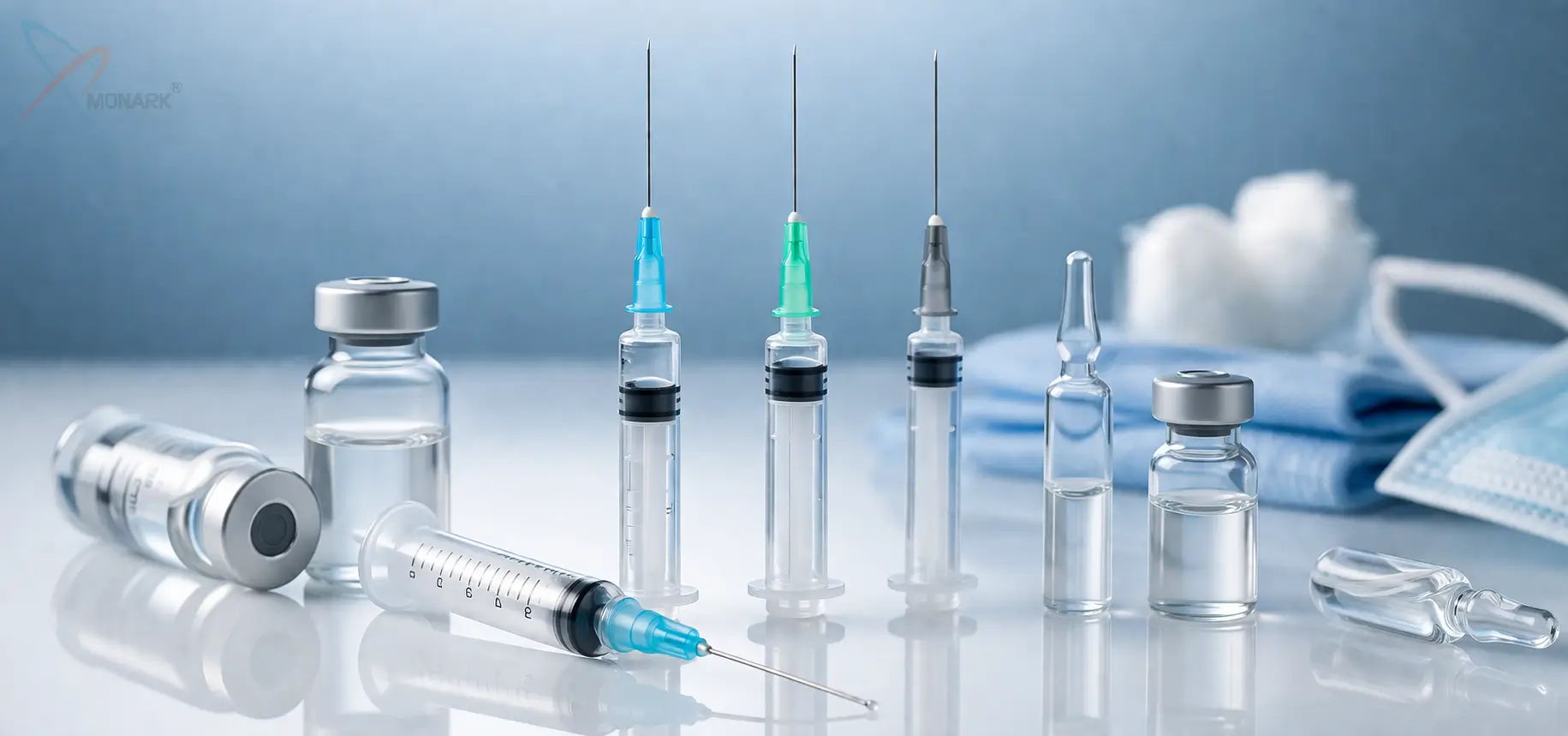
An injection into your vein, muscle, or skin can completely change how fast a drug works, how long it lasts, and how effective it is. Yet most people don’t understand the difference between IV IM SC injections, and that confusion can lead to poor decisions in both treatment and learning.
In this guide, you’ll get a crystal-clear breakdown of the types of injections explained, so you know exactly what happens when a drug enters your body and why it matters. If you're looking for high-quality solutions, you can also explore our Injections Infusion range for advanced healthcare needs.
The main difference among IV, IM, SC, and intradermal injections lies in their injection sites and absorption rates. IV injections act fastest because they enter the bloodstream directly, while intradermal injections are the slowest and are mainly used for diagnostic testing. IM and SC injections fall in between, offering moderate-to-slow absorption.
What Are Injection Routes of Administration?
When every second matters, pills aren’t always enough. Injection routes of administration deliver medication directly into the body using needles, bypassing the digestive system for faster, more reliable results. This approach, known as parenteral administration, is essential in modern healthcare where precision and speed are critical.
Unlike oral medicines, these advanced drug delivery methods provide higher drug bioavailability, meaning the drug reaches its target faster and in a more controlled manner. This makes injections especially valuable in emergencies, surgeries, and conditions that require immediate or sustained therapeutic effects.
If you're looking for reliable and high-quality formulations, explore Injectables (Fedley Healthcare) for advanced pharmaceutical solutions.
Intravenous (IV) Injection – The Fastest Route
An intravenous injection (IV) delivers medication directly into a vein, making it the fastest injection method available. Because the drug enters the bloodstream instantly, it provides immediate therapeutic effects, making it ideal for emergencies, critical care, and rapid drug delivery methods where quick action is essential.
Why IV Injection is Used
-
Emergency treatments
-
IV infusion therapy
-
Fluid and electrolyte replacement
-
Antibiotic delivery
Because IV injections provide immediate results, they are widely used in hospitals and intensive care units. You can explore commonly used options in our Critical Care Injection List.
👉 Key Insight: IV = Instant effect + maximum control
Intramuscular (IM) Injection – Balanced Absorption
An intramuscular injection (IM) is administered into muscle tissue, offering a balance between speed and duration. Medications absorb faster than subcutaneous routes but slower than IV, providing steady effects. It’s commonly used for vaccines, hormones, and pain relief, making it a reliable drug delivery method in routine healthcare.
Common IM Injection Sites
-
Deltoid muscle injection
-
Gluteal muscle
-
Thigh
Where IM Injection is Used
-
Vaccine administration methods
-
Hormonal therapies
-
Pain relief drugs
IM injections are one of the most common medical injection types due to their reliability and ease of use. For premium-quality products, explore Our Products (Monark Criticare).
👉 Key Insight: IM = Moderate speed + steady absorption
Subcutaneous (SC) Injection – Slow & Steady
A subcutaneous injection (SC) is administered into the fatty layer beneath the skin, allowing medication to absorb gradually. This slow and steady release ensures prolonged effectiveness, making it ideal for insulin, blood thinners, and hormone therapies that require consistent dosing over time.
SC Injection Sites
-
Abdomen
-
Thigh
-
Upper arm
Common Uses
-
Insulin injection method
-
Blood thinners
-
Hormone therapy
Because of its slower absorption rate of injections, SC is ideal for long-term treatments and self-administration.
👉 Key Insight: SC = Controlled release + long-lasting effect
Intradermal Injection – Diagnostic Precision
An intradermal injection is administered into the upper layer of the skin (dermis) and is mainly used for diagnostic purposes rather than treatment. It involves a very small dose and is carefully given to observe localized skin reactions with high accuracy.
Common Uses
-
Allergy testing injection
-
Tuberculosis (TB) test injection
-
Skin sensitivity tests
This method has the slowest injection absorption rate, allowing healthcare professionals to monitor visible responses such as redness, swelling, or small bumps (wheal formation). It is a key part of diagnostic drug delivery methods in clinical practice.
👉 Key Insight: Intradermal = Testing + minimal dosage + precise reaction observation
Quick Comparison Table
|
Type |
Injection Site |
Speed |
Purpose |
|
IV |
Vein |
Fastest |
Emergency |
|
IM |
Muscle |
Medium |
Vaccines |
|
SC |
Fat layer |
Slow |
Insulin |
|
Intradermal |
Skin |
Slowest |
Testing |
👉 This table targets featured snippet ranking for IV vs IM vs SC injection comparison.
Which Injection Works the Fastest?
Among all types of injections in healthcare, the intravenous injection (IV) is the fastest injection method because it delivers medication directly into the bloodstream, ensuring instant drug action and maximum drug bioavailability. This makes it the preferred choice in emergency treatments, critical care, and rapid-response therapies.
Here’s how different injection routes of administration compare:
-
IV → Immediate effect (direct bloodstream entry)
-
IM → Moderate absorption (through muscle tissue)
-
SC → Slow release (via fatty layer under skin)
-
Intradermal → Slowest (limited to skin-level absorption)
Understanding these injection absorption rates helps in selecting the most effective drug delivery method based on the condition and urgency.
If you're planning to grow in the pharmaceutical industry, explore our PCD pharma franchise and be part of a rapidly expanding healthcare sector.
Injection Techniques That Matter (Don’t Get This Wrong!)
Think injections are just “push and go”? Not quite. The right injection techniques can make the difference between effective treatment and serious complications. Precision in drug administration ensures the medicine works exactly how it’s supposed to, fast, safe, and effective.
✔️ Important Factors
-
Selecting the correct needle size for injections for accurate delivery
-
Maintaining the right injection angle and depth to reach the target layer
-
Following a strict sterile injection technique to prevent infections
-
Choosing the proper injection site based on the method
These factors directly impact drug delivery methods, absorption rate of injections, and overall patient outcomes. Even small mistakes can reduce effectiveness or cause discomfort.
Want to see how quality makes the difference? Discover more at Why Choose Monark Criticare.
Risks & Safety Considerations (Small Mistakes, Big Consequences!)
Injections are powerful drug delivery methods, but when done incorrectly, they can lead to serious complications. Understanding the risks and following proper injection techniques is essential for safe and effective treatment.
Common Risks
-
Infection at the injection site due to poor hygiene
-
Pain or swelling from an incorrect injection angle or depth
-
Nerve damage caused by the wrong selection of the injection site
-
Allergic reactions to certain medications
Improper handling can also affect the absorption rate of injections, reducing effectiveness and delaying recovery. That’s why healthcare professionals strictly follow a healthcare injection guide and maintain a sterile injection technique at all times.
👉 Pro Tip: Safe injections aren’t just about the drug; they depend on the right method, precision, and clinical standards for the best patient outcomes.
Conclusion: One Choice Can Change Everything
Choosing the right injection method isn’t just a technical step; it directly impacts treatment effectiveness, patient safety, and overall outcomes. The difference between fast relief and delayed results often comes down to selecting the correct injection route of administration.
By understanding the types of injections explained, intravenous (IV), intramuscular (IM), subcutaneous (SC), and intradermal injections, healthcare professionals can make smarter, more precise decisions. Each method differs in the absorption rate of injections, drug delivery methods, and clinical purpose.
From emergency care requiring instant IV action to long-term treatments using SC injections, every choice matters. The right technique ensures optimal drug bioavailability, reduced risks, and improved patient comfort.
👉 Final Takeaway: The right injection isn’t just about where it’s about how fast, how effective, and how safe your treatment will be.
FAQs
What is the fastest injection method?
The fastest injection method is intravenous (IV), as it delivers drugs directly into the bloodstream.
What is the IV vs IM injection difference?
The IV vs IM injection difference is speed; IV is immediate, while IM takes time to absorb through the muscle.
Where are SC injection sites located?
SC injection sites include the abdomen, thighs, and upper arms.
What are intradermal injections used for?
Intradermal injection uses include allergy testing and tuberculosis screening.