14th November 2026 | By Admin
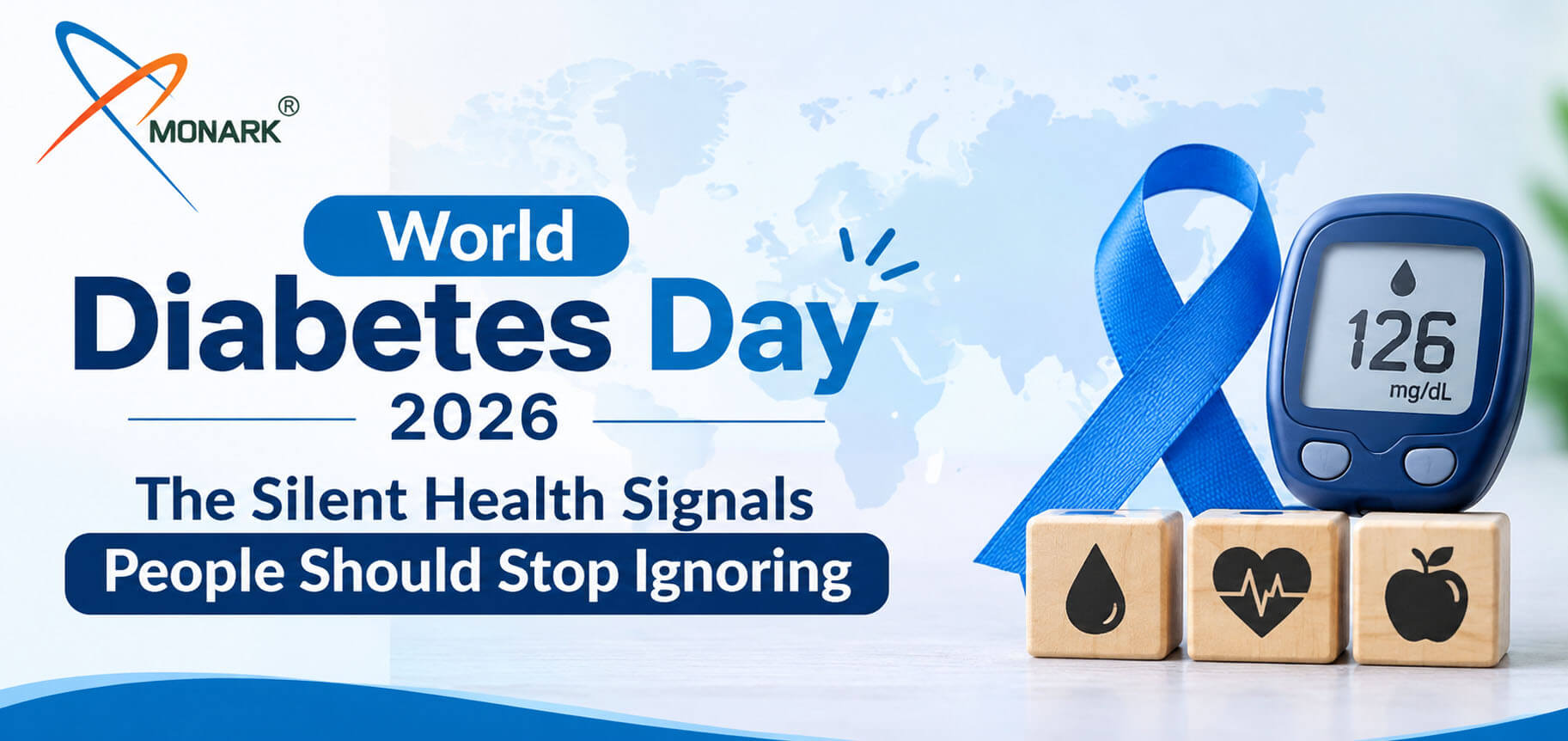
World Diabetes Day 2026: The Hidden Cost of Ignoring Blood Sugar – Why Early Action Matters More Than Ever
A missed health check, an unexplained weight change, or constant tiredness may not seem like a big deal. Most people have experienced these things at some point. But when small changes become part of everyday life, it is worth asking whether the body is trying to communicate something important.
Diabetes is one of those health conditions that can remain unnoticed while gradually affecting different parts of the body. Dramatic symptoms do not always accompany it, and some people continue their normal routines without knowing that their blood glucose levels are outside the healthy range.
That is why World Diabetes Day 2026 deserves more than a routine awareness message. This year's global campaign focuses on Early Action on Diabetes, bringing attention to early diagnosis, risk reduction, and timely access to healthcare.
The message is particularly relevant in a world where long working hours, changing food habits, limited physical activity, and delayed health check-ups have become common. Understanding the connection between blood sugar, heart health, and long-term wellbeing can help people make better healthcare decisions.
This year, let us look beyond a single glucose reading and understand why early action, quality healthcare, and responsible pharmaceutical support belong in the same conversation.
Diabetes Is Not Just About Sugar: Understanding the Bigger Health Picture
When someone mentions diabetes, the first thing that usually comes to mind is high blood sugar. Although glucose management is central to diabetes care, the condition can influence much more than a laboratory report.
Diabetes develops when the body does not produce enough insulin or cannot use insulin effectively. Insulin is a hormone that helps glucose move from the bloodstream into cells, where it can be used for energy.
When this process becomes disrupted, glucose can accumulate in the bloodstream. Over time, persistently elevated blood glucose may affect blood vessels, nerves, and several important organs.
Why Diabetes Can Go Unnoticed
One of the challenges associated with type 2 diabetes is its gradual development. A person may not experience obvious discomfort during the early stages. Others may dismiss their symptoms as ordinary tiredness, dehydration, or lifestyle-related problems.
Some common early diabetes warning signs include:
-
Increased thirst and frequent urination.
-
Unusual fatigue or reduced energy.
-
Blurred or fluctuating vision.
-
Unexplained weight loss.
-
Increased hunger.
-
Slow-healing cuts and wounds.
-
Recurrent skin or fungal infections.
-
Tingling or numbness in the hands and feet.
Not everyone experiences these symptoms, and some people have no noticeable warning signs. This is why relying on physical symptoms alone is not a dependable way to identify diabetes.
The Difference Between Awareness and Early Detection
Knowing the symptoms is useful, but awareness becomes more meaningful when it encourages appropriate action.
For example, someone with a family history of diabetes may feel perfectly healthy. However, their personal risk factors could still make screening worthwhile.
Similarly, people with previously identified prediabetes should not assume that feeling normal means their glucose levels have returned to a healthy range.
Early diabetes detection through appropriate medical testing provides a clearer picture than guessing based on symptoms.
The Heart and Diabetes Connection: Two Health Concerns That Deserve Equal Attention
A major part of modern healthcare awareness is recognising that different health conditions can influence one another.
The growing importance of cardiac and diabetic healthcare comes from the close relationship between metabolic health and cardiovascular health.
People living with diabetes have an increased risk of cardiovascular disease. Persistently elevated blood glucose can contribute to blood vessel damage, while additional concerns such as high blood pressure, abnormal cholesterol, and smoking can increase overall risk.
Why a Blood Sugar Reading Is Not the Whole Story
Imagine two individuals managing diabetes. Both regularly check their glucose levels, but only one pays attention to blood pressure, cholesterol, physical activity, and other health indicators.
The difference matters because diabetes management should consider the person's overall health rather than focusing on glucose alone.
A comprehensive healthcare discussion may include:
-
Blood glucose monitoring: Understanding current glucose levels and longer-term trends.
-
Blood pressure checks: Identifying another important cardiovascular risk factor.
-
Cholesterol assessment: Reviewing lipid levels as advised by a healthcare professional.
-
Kidney health: Monitoring kidney function and urine albumin when recommended.
-
Eye examinations: Identifying diabetes-related eye changes.
-
Foot assessments: Checking for reduced sensation, wounds, and circulation-related concerns.
These measures help healthcare professionals develop a more complete picture of an individual's health.
Why Integrated Healthcare Matters
The connection between diabetes and cardiovascular disease highlights the importance of coordinated healthcare.
A person may require dietary guidance, physical activity recommendations, regular screening, and prescribed medicines as part of an individual care plan.
No single lifestyle change or medicine works as a universal solution. Healthcare decisions should be based on clinical evaluation, medical history, and the individual's specific needs.
Early Screening: The Health Decision That Should Not Be Postponed
Waiting until symptoms become uncomfortable is not a sensible approach to diabetes awareness. Some people with type 2 diabetes may experience mild symptoms, while others remain unaware of their condition.
Regular screening can help identify abnormal blood glucose levels before more serious problems develop.
Which Diabetes Tests Should People Know About?
Healthcare professionals commonly use the following tests to evaluate diabetes:
Fasting Plasma Glucose (FPG): Measures blood glucose after fasting for at least eight hours.
HbA1c Test: Provides an estimate of average blood glucose over approximately two to three months.
Oral Glucose Tolerance Test (OGTT): Measures how the body responds to a glucose-containing drink.
The following commonly used diagnostic thresholds provide a general reference:
|
Blood test |
Normal |
Prediabetes |
Diabetes |
|
Fasting plasma glucose |
Below 100 mg/dL |
100–125 mg/dL |
126 mg/dL or higher |
|
HbA1c |
Below 5.7% |
5.7–6.4% |
6.5% or higher |
These values are general clinical reference thresholds, not a substitute for diagnosis. Abnormal results may require confirmation, and a healthcare professional should interpret them in the appropriate clinical context.
Who Should Discuss Diabetes Screening?
Screening may be particularly important for people with:
-
A family history of type 2 diabetes.
-
Overweight or obesity, especially excess abdominal fat.
-
A history of gestational diabetes.
-
Previously identified prediabetes.
-
High blood pressure or abnormal cholesterol.
-
Limited physical activity.
-
Other individual medical risk factors.
The appropriate age to begin screening and the frequency of repeat testing depend on personal circumstances and applicable medical guidelines.
Everyday Health Choices: Building a Stronger Foundation Against Diabetes
Diabetes prevention is not about following an extreme diet or completely changing your life overnight. Sustainable habits are generally more useful than short-lived health challenges.
For people at increased risk of type 2 diabetes, evidence-based lifestyle changes can help reduce or delay the development of the condition.
Six Practical Habits Worth Starting
1. Make Your Meals More Balanced
Include vegetables, pulses, whole grains, fibre-rich foods and appropriate protein sources. Pay attention to portion sizes and reduce frequent consumption of sugary beverages.
2. Give Your Body Regular Movement
Walking, cycling, swimming and other suitable activities can support insulin sensitivity and overall cardiovascular health. Many adults can work towards approximately 150 minutes of moderate-intensity activity each week, depending on their medical condition.
3. Manage Weight Gradually
For individuals with excess weight, sustainable weight management can support better metabolic health. Avoid unrealistic diets and seek professional guidance when needed.
4. Protect Your Sleep Routine
Consistent, adequate sleep supports general wellbeing. Persistent sleep disturbances should be discussed with a healthcare professional.
5. Avoid Tobacco
Smoking increases cardiovascular risk and can complicate diabetes management. Professional support can make quitting easier.
6. Make Preventive Check-ups a Priority
Do not wait for obvious symptoms before discussing screening. People with recognised risk factors should follow appropriate testing recommendations.
These steps are useful for supporting health, but people already diagnosed with diabetes should continue their prescribed treatment and follow their healthcare professional's advice.
World Diabetes Day 2026: From a Global Campaign to a Local Health Movement
World Diabetes Day is observed every year on 14 November. It brings together people living with diabetes, healthcare professionals, organisations and communities to strengthen awareness and encourage action.
The International Diabetes Federation has announced Early Action on Diabetes as the 2026–27 campaign theme.
The focus is straightforward: recognise warning signs, improve early diagnosis, reduce the risk of type 2 diabetes and make timely healthcare more accessible.
What Can Individuals and Communities Do?
Awareness does not have to involve a large event or complicated programme. Small activities can encourage meaningful conversations.
Consider these ideas:
-
Arrange a diabetes awareness session in your workplace.
-
Encourage eligible family members to discuss screening.
-
Share reliable information about diabetes warning signs.
-
Organise community discussions about nutrition and physical activity.
-
Encourage regular health assessments among people with risk factors.
-
Promote awareness of the relationship between diabetes and heart disease.
-
Share campaign messages through social media using #WorldDiabetesDay and #ActEarlyOnDiabetes.
A Trending Conversation: Why Preventive Healthcare Is Becoming More Important
One important healthcare conversation gaining attention is the move from reactive treatment towards preventive health management.
People increasingly want to understand their health risks, access relevant medical information, and make informed decisions before complications develop.
For diabetes, this means looking beyond occasional glucose checks. It includes regular medical consultations, risk assessment, appropriate screening, healthy food choices, and cardiovascular monitoring.
Digital health tools and home monitoring devices can also help people track selected health measurements. However, these tools should complement professional medical care rather than replace laboratory testing or clinical diagnosis.
The most valuable health trend is not a quick-fix product or a viral diet. It is a consistent commitment to evidence-based preventive healthcare.
Why Pharmaceutical Product Quality Is Essential in Long-Term Healthcare
Early diagnosis is only one part of effective healthcare. People who require long-term treatment also depend on medicines that meet appropriate quality and regulatory requirements.
This highlights the importance of pharmaceutical product quality, particularly in therapeutic areas such as cardiovascular and diabetic care.
Medicines must meet applicable standards for identity, strength, purity, and quality. These requirements depend on appropriate manufacturing controls, testing, documentation, packaging, and distribution.
What Does Maintaining Pharmaceutical Quality Standards Involve?
Responsible pharmaceutical operations require attention at every stage.
|
Quality consideration |
Why it matters |
|
Raw material evaluation |
Helps ensure suitable starting materials |
|
Manufacturing controls |
Supports consistent production processes |
|
Quality testing |
Evaluates relevant product specifications |
|
Packaging standards |
Helps protect product integrity |
|
Storage and distribution |
Maintains appropriate handling conditions |
|
Documentation |
Supports traceability and compliance |
Maintaining pharmaceutical quality standards is not a one-time activity. It requires continuous attention to manufacturing practices, quality assurance, and regulatory responsibilities.
For pharmaceutical companies, distributors, and healthcare partners, quality-focused operations are essential to building confidence in the products they handle.
Diabetes in 2026: The Latest Facts You Should Know
Diabetes is no longer a health concern that can be understood only through individual symptoms or blood sugar readings. The latest estimates show how widely it affects populations and why early screening has become a major public-health priority. The following figures are based on the latest available 2025 IDF Diabetes Atlas and the WHO World Diabetes Day 2026 campaign.
|
Key fact |
Latest available figure |
Why it matters |
|
Adults living with diabetes worldwide |
589 million adults aged 20–79 in 2024 |
Shows the scale of the global diabetes burden |
|
People unaware they have diabetes |
Around 252 million adults in 2024 |
Many may miss opportunities for early diagnosis and care |
|
Global diabetes prevalence |
11.1% of adults aged 20–79 in 2024 |
Highlights how common diabetes has become |
|
Projected global cases by 2050 |
853 million adults |
Indicates the need for stronger prevention and healthcare planning |
|
Adults living with diabetes in India |
89.8 million in 2024 |
Places India among the countries with the highest diabetes burden |
|
Diabetes-related deaths worldwide |
Over 3.4 million in 2024 |
Underlines the serious consequences of diabetes |
|
Global diabetes-related health expenditure |
More than US$1 trillion in 2024 |
Reflects the growing financial impact on health systems |
|
WHO 2030 diagnosis target |
80% of people with diabetes should be diagnosed |
Makes early detection a measurable global priority |
Sources: IDF Diabetes Atlas, 11th Edition (2025); WHO World Diabetes Day 2026 campaign. Figures refer to the stated reporting years, not a live count for November 2026.
What These Numbers Mean for India
India's estimated 89.8 million adults living with diabetes in 2024 make early awareness and regular health assessment particularly important. The challenge is not limited to people who already have a diagnosis. Some individuals may have no obvious symptoms, while others may dismiss persistent thirst, frequent urination, unusual tiredness or blurred vision as routine problems.
The WHO's 2026 World Diabetes Day campaign, themed “Early Action on Diabetes,” reinforces the importance of recognising possible symptoms, seeking appropriate testing and ensuring that diagnosis is followed by ongoing care.
Editorial note: These are the latest figures I could verify from the cited sources; the IDF's 2025 Atlas reports estimates for 2024. Avoid labelling them as confirmed 2026 case counts.
Monark Biocare: Supporting Pharmaceutical Business Opportunities in Cardiac and Diabetic Healthcare
As the demand for chronic disease management grows, pharmaceutical companies have opportunities to strengthen their product portfolios and business networks.
Monark Biocare operates in the Indian pharmaceutical sector, offering a broad portfolio of formulations and business services.
Its offerings cover several therapeutic categories, including the Cardio Diabetic Product Range, along with other pharmaceutical formulations.
Exploring the Company's Product and Service Portfolio
Antidiabetic Medicines: Pharmaceutical formulations within the diabetic healthcare segment, listed in the company's product portfolio.
Cardio Diabetic Product Range: Products covering relevant cardiovascular and diabetic therapeutic categories.
Nutraceutical Product Range: Additional healthcare product categories for pharmaceutical business portfolios.
Pharmaceutical Tablet Products: Tablet formulations across different therapeutic segments.
Third-Party Pharmaceutical Manufacturing Services: Manufacturing support for businesses looking to develop or expand their own pharmaceutical product portfolios.
PCD Franchise Services: Business opportunities for eligible distributors and pharmaceutical entrepreneurs, with support subject to company policies and applicable licensing requirements.
About Monark Biocare
Monark Biocare focuses on pharmaceutical product distribution, business partnerships, and manufacturing-related services. The company's website describes its quality-focused approach, manufacturing partnerships, and range of pharmaceutical dosage forms.
Its business philosophy also highlights Ethical Promotion, with an emphasis on transparency, responsible communication, and scientifically appropriate information for healthcare professionals and business partners.
Businesses interested in exploring its offerings can visit:
Contact Information
Monark Biocare
-
Address: Plot No. 201, HSIIDC, Alipur, Barwala, Haryana, India.
-
Email: monarkbiocare@gmail.com
-
Phone: +91-9855986633, +91-9023256719, +91-9888656719.
For product portfolio details, pharmaceutical business opportunities, and manufacturing enquiries, interested partners can contact the company directly.
Conclusion: The Best Time to Act Is Before Health Concerns Become Complications
Diabetes awareness should not begin only when someone receives an unexpected diagnosis. It should begin with better conversations, informed lifestyle choices, and an understanding of personal health risks.
This World Diabetes Day 2026, look beyond the numbers. Understand the connection between blood glucose and cardiovascular health, recognise the importance of timely screening, and appreciate the role of reliable pharmaceutical quality in long-term healthcare.
For individuals, early action can begin with a medical consultation or a conversation about screening. For healthcare organisations and pharmaceutical businesses, it means continuing to support quality, responsible communication and better access to healthcare.
Because better healthcare is not only about treating a condition. It is also about recognising risks, acting at the right time and making informed decisions for the future.
Frequently Asked Questions About World Diabetes Day 2026
1. What is the theme of World Diabetes Day 2026?
The International Diabetes Federation's 2026–27 campaign theme is Early Action on Diabetes. It focuses on early diagnosis, risk reduction, and timely access to healthcare.
2. Why is early diabetes detection important?
Early detection can help people access appropriate care before serious complications develop. It also allows healthcare professionals to address risk factors and plan suitable treatment.
3. Can diabetes exist without noticeable symptoms?
Yes. Type 2 diabetes can develop gradually, and some people may experience very mild symptoms or none at all. Screening is therefore important for people with recognised risk factors.
4. What are the common warning signs of diabetes?
Common symptoms include excessive thirst, frequent urination, unusual fatigue, blurred vision, unexplained weight loss and increased hunger. These symptoms can also have other causes.
5. Is diabetes connected to cardiovascular disease?
Yes. Diabetes is associated with an increased risk of cardiovascular disease. Managing blood glucose, blood pressure, cholesterol, and other risk factors is important.
6. How can people reduce their risk of type 2 diabetes?
Balanced nutrition, regular physical activity, appropriate weight management, avoiding tobacco, and recommended health screening can help reduce or delay type 2 diabetes risk in many people.
7. Why does pharmaceutical quality matter in diabetic healthcare?
Quality-focused manufacturing and appropriate testing help ensure medicines meet applicable quality and regulatory requirements. Consistency and responsible distribution are important parts of pharmaceutical healthcare.
Disclaimer: Awareness is the first step, but medical guidance matters most. This article shares general information about diabetes, its warning signs, and preventive care. It is not a substitute for professional diagnosis, treatment, or medical advice. Never ignore persistent symptoms or self-medicate. Consult a qualified healthcare professional for personalised guidance, appropriate testing, and treatment decisions.